
The Rise of 3D printing in casting manufacture
 |
 |
 |
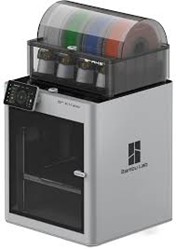
3D printing, also known as additive manufacturing, is a process of creating three-dimensional objects from a digital file. This is achieved by layering material, typically molten plastic, one layer at a time through a nozzle, allowing each layer to cool and solidify before the next is applied. Unlike traditional subtractive manufacturing methods, which remove material to shape a part, 3D printing builds objects by adding material. This technique is widely used across industries for rapid prototyping, custom medical devices, and even aerospace components.
In the context of foundries and metal casting, 3D printing is proving to be a rapidly evolving and valuable resource. It offers a particularly compelling solution for low-volume or one-off castings, where the cost and time involved in producing a traditional permanent pattern can be prohibitive. Instead, a 3D-printed mould can serve as a fast and efficient alternative, delivering strong results for the end customer.
While not every casting project is suited to 3D printing, the technology is becoming increasingly viable across a broader range of foundry applications. As the manufacturing landscape continues to evolve, this method offers a flexible option worth considering—especially in situations where up-front tooling costs can become a barrier to moving from an RFQ to a physical casting.
At White Industries, we understand the importance of evaluating return on investment when comparing permanent pattern tooling with 3D-printed moulds. Our team is here to offer expert guidance and tailored solutions to help you determine the best approach for your specific needs.